
The other day, I wrote about AI Shopping for single products – and how Google now understands that you need a warm sweater for your summer vacation in Australia, even if the calendar says July.
It is soon high season for summer vacation bookings, so let’s stay in the summer vacation theme and zoom out a bit. …Because what if the AI doesn’t just help pack the suitcase, but actually puts together the entire trip?
If, for example, you run a small campsite, a local museum, a climbing park, or a small hotel, you need to prick up your ears now. The future of “package holidays” will change radically, and this could be your ticket out of the big booking portals’ iron grip.
AI Becomes the New Travel Agent
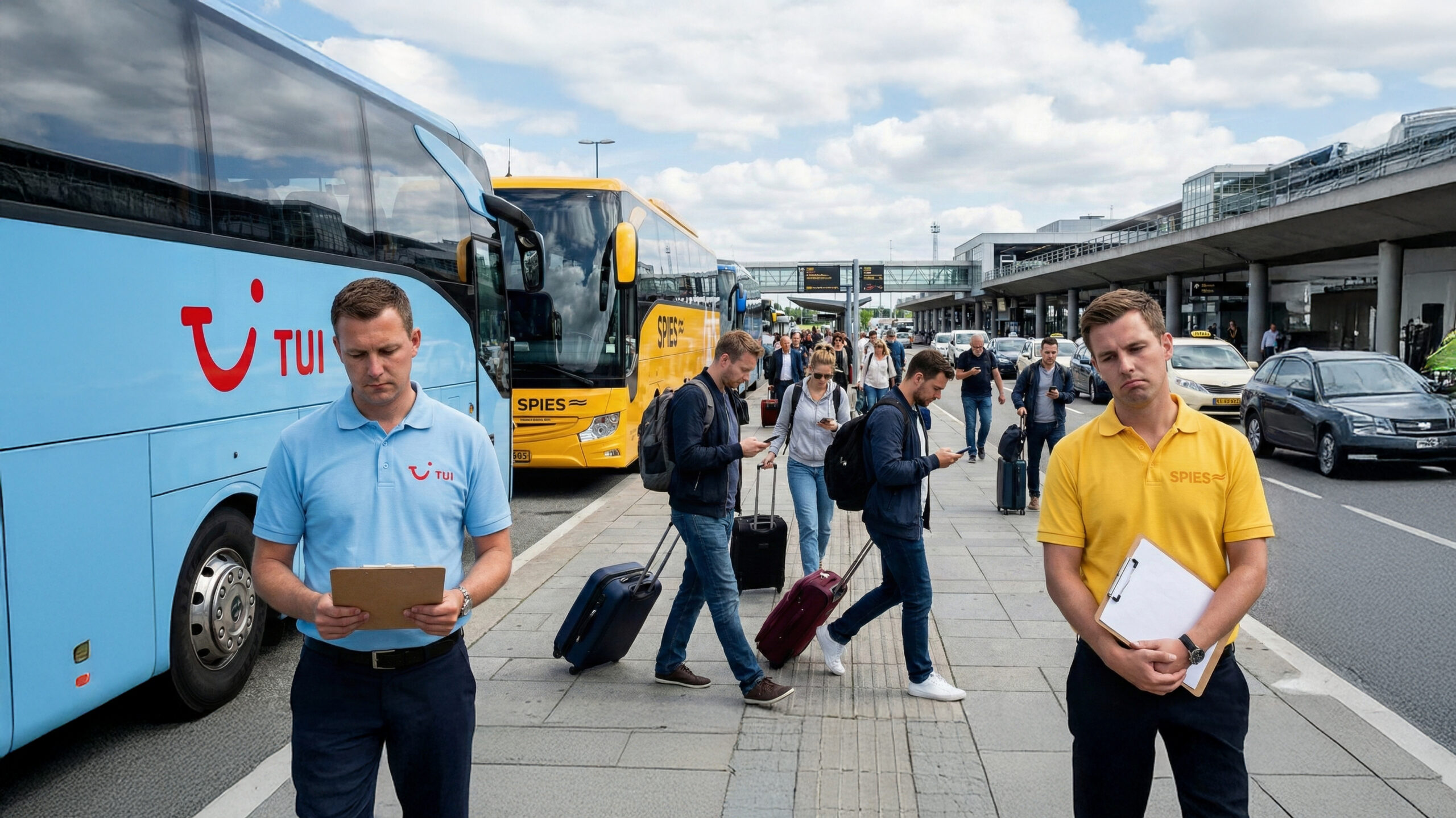
We all know the classic charter package holidays. You buy a finished package from a travel agency: Flight, hotel, and transfer. It’s easy, but it’s also static and not particularly personalized to you and your personal values.
As a small experience business, you have historically had two choices:
- Be part of the package
Sell your services cheaply to a travel agency that squeezes the price to the bottom to earn their margin. - Fight against the giants
Hope that the customer finds your small website in the crowd of ads from Booking.com, Hotels.com, and TripAdvisor.
But with the development we are seeing in Google’s AI right now, a third way is opening up.
Google already has all the pieces:
- Google Flights knows flight times and prices.
- Google Maps knows the hotels, restaurants, and attractions.
- Google Search knows the user’s intent and preferences.
- Google Pay knows your card details and your address.
- Google Wallet can show your boarding cards and hotel reservations.
- Google Gemini (AI) can tie all the threads together into a coherent and personalized offer.
When these things melt together – and they are doing so now – what is called AI-driven “Dynamic Bundling” arises.
No More Being Squeezed on Price
Imagine a user writing to their AI:
“Plan a romantic long weekend in North Jutland for me and my girlfriend. We love natural wine, hiking, and small, quirky places to stay. Budget: 5,000 DKK.”
In the “old days,” Google would give a list of links – Now the AI builds the trip.
Den finds the plane or train ticket. It finds the small “quirky” Bed & Breakfast that fits the description exactly. It books a table at the local wine bar and finds a hiking route nearby.
What does this mean for you?
It means the AI acts as a travel agency without being a travel agency. It puts together a unique package for the customer based on data.
If you are that “small, quirky place to stay,” you get chosen because you match the context – not because you paid the highest commission to a booking portal or sold yourself cheaply to a travel agency.
You no longer have to let yourself be squeezed on price by a middleman who needs to earn money on “wrapping” your product with others. The AI does it “for free” for the customer, and you keep your margin.
The Experience Industry’s New Currency: Data and Context
To win in this game, you have to think differently. You shouldn’t just sell “an overnight stay.” You must further develop your value proposition and sell part of a narrative – perhaps through a very special theme or concept.
If Google is to choose your canoe rental or your guided city walk for the customer’s dynamic package, it needs to know exactly what value you add.
It is here that many small businesses and associations can win big, because they often have unique, local experiences that the AI is looking for to create the “perfect, personalized package.”
How to Get Ready for “AI Packaging”
It might sound technical, but it’s mostly about being clear about who you are. Here are my low-practical tips on what you can do today:
- Be Ultra-Specific in Your Google Business Profile
Ensure your profile on Google Maps is updated. Not just with opening hours, but with attributes. Are you “dog-friendly”? Do you have “vegan options”? Is it “suitable for couples”? The more of these boxes you tick, the easier it is for the AI to match you with a specific inquiry. - Write for Context on Your Website
Instead of just writing “We have 10 rooms,” write: “Perfect for couples seeking peace and nature experiences close to the North Sea.” Use the language the customer uses when dreaming. It helps the AI understand which “package” you fit into. - Collaborate Digitally with Your Neighbor
Even though the AI puts the package together, it helps to show connections. Link to other good experiences in your local area from your website. If you link to the local vineyard, and they link to you, it strengthens the signal to Google that you belong together in an “experience cluster.”
Q&A regarding the future of AI Travel
No, there will always be a need for security and personal service for complex trips. But for the “Do-It-Yourself” market and smaller trips, AI will take over the role of planner, which puts pressure on classic package holidays.
It is the professional term for products (e.g., flights, hotels, experiences) being put together automatically in the moment based on the customer’s wishes, rather than being packaged in advance by an agency.
Yes and no… You can optimize yourself to be found organically (free), but as I described the other day, you can also pay to be shown with “Direct Offers,” exactly when the customer is about to make a decision. The difference is that you pay for the visibility directly, not a percentage of your revenue to a middleman.
Yes! That is exactly the point. If you organize guided mushroom tours in the local forest, that is exactly the kind of unique “micro-experience” the AI will love to suggest to a nature-interested tourist. Make sure your events are listed online so Google can see them.